Season-Smart HVAC Decisions for Homes, Offices, and Shops
As a facilities-minded owner, begin by mapping how each space actually behaves across the year. Assess occupancy peaks, internal heat loads, and envelope weaknesses, then align them with local climate swings. This baseline steers whether you lean on Heating Installation and Repair before winter or schedule AC Installation and Repair ahead of summer, helping you reduce surprises while preserving comfort for residents, employees, or production areas.
Meanwhile, refine your load expectations by distinguishing between sensible and latent demands. In practice, a store with frequent door openings needs different airflow strategies than a quiet office. You can phase improvements, starting with sealing and insulation, then validating duct layout. Later, scope equipment right-sizing to avoid short cycling, excessive humidity, or noise that travels through open-plan workzones and meeting rooms.
Beyond that, verify airflow health before swapping equipment. Air Duct Cleaning can remove accumulated dust and debris that mute performance and elevate pressure. Inspect return paths and grilles to confirm balanced pull from each zone. A clean, properly sealed duct network lets new or existing systems meet setpoints more evenly, often enabling lower fan speeds and quieter operation without altering everyday routines.
Often, moisture management deserves equal attention. Dehumidifier Installation can buffer muggy seasons, reducing load on cooling equipment and improving perceived comfort at slightly higher thermostats. Conversely, Humidifier Installation helps stabilize winter dryness that can affect materials and occupant wellbeing. Calibrate controls carefully so humidity targets remain steady, then maintain filters and reservoirs to preserve air quality and limit unintended microbial growth.
Next, consider whether Heat Pump Installation supports your energy and zoning goals. Modern configurations can heat and cool efficiently across many conditions, though auxiliary strategies may still be useful in harsher spells. Document setpoints for different areas—server rooms, storefronts, and residences—so your team can adjust schedules without guesswork. Sequencing runtimes around building occupancy further protects equipment and reduces needless cycling.
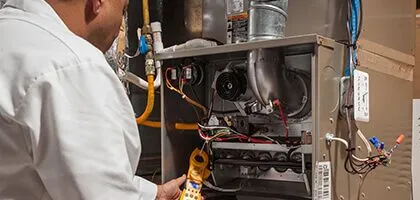
However, replacement timing should respect lifecycle realities. Inspect compressors, heat exchangers, and blower assemblies, then validate refrigerant measurements and electrical integrity. If parts remain serviceable, a targeted repair may extend life while you budget for a later changeout. When replacement is prudent, stage the job to minimize downtime, and refine clearances around mechanicals to improve future service access and safety.
Then, weigh filtration and ventilation together rather than separately. Assess minimum efficiency ratings based on your environment, but confirm the blower can handle additional static pressure. Introduce outside air according to occupancy and use patterns, and verify that exhaust paths aren’t undermining pressure balance. Document filter sizes and change intervals, so maintenance teams can respond quickly without hunting specifications at the last minute.
Afterward, plan controls with an eye to usability. Zonal thermostats that are easy to read and lockable presets that staff can understand reduce drift from intended conditions. Schedule seasonal commissioning, and validate sensor placement away from drafts, sunlight, or heat sources. Fine-tune fan speeds, economizer logic, and setback profiles, then maintain a short log of every adjustment to speed troubleshooting later.
Finally, align vendor fit to your project scope and the building’s operating rhythm. Ask how service teams handle off-hours visits, parts availability, and warranty documentation, and request a clear handoff checklist. A vendor that can scale from small HVAC tune-ups to larger retrofits simplifies planning across facilities. Over time, the right partner helps you buffer risk, preserve comfort, and keep energy use within reasonable expectations.
Altogether, a deliberate approach that blends assessment, moisture control, duct health, and well-chosen equipment protects both comfort and budgets. HVAC choices benefit from careful staging: address the building shell, confirm airflow, then size and set controls to real-world patterns. With disciplined maintenance and seasonal reviews, you can sustain reliable performance while avoiding rework that disrupts business or home life.